Prioritizing Location and Neighborhood Growth
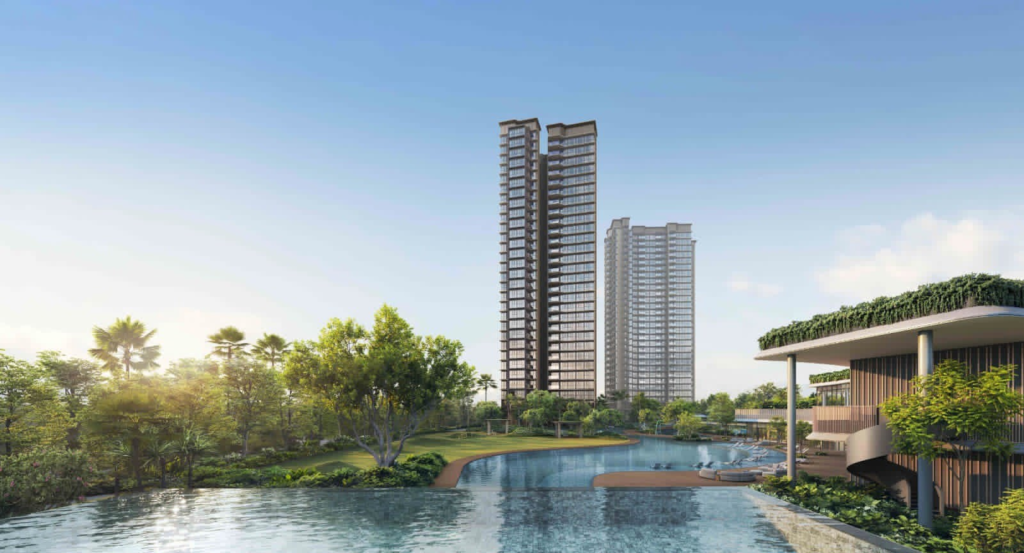
Buying a home is a milestone, but selecting a condominium for long-term living requires a specific strategy. Unlike temporary housing, a permanent condo must support your lifestyle as your needs change over the decades. High-quality developments, such as the Thomson Reserve, demonstrate how thoughtful urban planning and robust construction create lasting value for residents. To ensure your purchase remains a comfortable, practical sanctuary for years to come, you must look beyond modern cosmetics. You need to analyze structural integrity, community governance, and neighborhood appreciation. By focusing on key longevity indicators, you can make a secure investment that serves your long-term goals.
Evaluating Floor Plans for Changing Life Stages
Location remains the most critical factor in real estate, but long-term buyers must look past current trends to evaluate future stability. When purchasing a condo you plan to live in for ten or twenty years, study the local municipal master plan. Look for upcoming infrastructure projects, such as new transit lines, public parks, and healthcare facilities, which sustain property values. Established residential hubs like the Lucerne Grand show how proximity to essential services keeps a community vibrant and accessible for aging residents.
Additionally, walk the neighborhood at different times of day. A street that seems quiet on a Tuesday afternoon might experience heavy commercial traffic on Friday nights. Consider how noise levels, air quality, and pedestrian safety might affect your daily life a decade from now. Choosing a location with a diverse mix of retail, medical clinics, and green spaces ensures you will not have to relocate when your driving habits or physical mobility changes. Evaluate the surrounding zoning laws as well; a vacant lot next door could easily become a high-rise blocking your natural light. Protecting your view and access to daylight is vital for maintaining your physical and mental well-being over a long residency.
Investigating HOA Solvency and Reserve Funds
A layout that works perfectly for a single professional or a young couple may become restrictive over time. When assessing a condo for long-term living, prioritize flexible floor plans that adapt to life transitions. Look for multi-functional spaces where a spare bedroom can transition from a home office into a nursery or a guest room for elderly parents. Properties like the Thomson Reserve emphasize spacious, open-concept layouts that allow for easy furniture reconfiguration and mobility.
Pay close attention to accessibility features, even if you do not currently need them. Wider doorways, curbless showers, and minimal interior stairs make a significant difference as you age. If the unit has multiple levels, ensure there is a viable bedroom and full bathroom on the main entry floor. Additionally, ensure the kitchen has wide pathways and low-maintenance countertops to facilitate easy meal preparation. Storage is another critical element that buyers frequently underestimate. While minimal storage works for a year or two, long-term living accumulates belongings. Seek out units with walk-in closets, dedicated pantry space, and secure external storage lockers. Adequate storage prevents clutter, helping you maintain a clean, organized, and stress-free living environment throughout your occupancy.
Assessing Amenities and Building Maintenance
When you buy a condo, you are not just purchasing a physical unit; you are entering a financial partnership with the homeowners association (HOA). A poorly managed association can lead to skyrocketing monthly dues and unexpected special assessments that drain your savings. To protect your long-term investment, request a copy of the HOA’s latest reserve study and financial statements. This document outlines the projected costs of major repairs, such as roof replacements or elevator overhauls, and shows whether the association has saved enough money to cover them.
Developments like the Lucerne Grand maintain healthy reserve funds, ensuring that building upkeep does not become a sudden financial burden for individual owners. Ask about the history of HOA fee increases over the last five years to identify any worrying upward trends. Furthermore, review the association’s rules and regulations, often called the covenants, conditions, and restrictions (CC&Rs). Strict rules regarding pets, leasing, and interior renovations can impact your lifestyle choices down the road. If you plan to travel extensively or eventually rent out your unit, restrictive leasing caps could ruin your plans. Understanding these guidelines early prevents legal disputes and ensures your lifestyle aligns with community standards.
High-quality amenities enhance your daily life, but they also require consistent upkeep. When touring potential properties, observe the condition of common areas like lobbies, hallways, gymnasiums, and parking garages. Peeling paint, cracked concrete, or broken security gates indicate deferred maintenance, which can signal broader structural issues. Premier developments, such as the Lucerne Grand, prioritize preventative maintenance to keep communal spaces in pristine condition, safeguarding the property’s long-term market value.
Consider which amenities you will actually use over the next decade. While an Olympic-sized swimming pool or a private cinema room sounds appealing, these features require substantial upkeep costs that are factored into your monthly HOA fees. If you prefer a quiet, low-maintenance lifestyle, look for buildings that focus on practical amenities. Secure package delivery systems, reliable high-speed fiber internet, energy-efficient heating systems, and 24-hour security personnel provide immense daily utility. Additionally, ask about the building’s green initiatives. Energy-efficient windows, solar-paneled common areas, and EV charging stations reduce the community’s overall carbon footprint and shield residents from rising utility costs, making your home more sustainable and affordable over time.
Conclusion
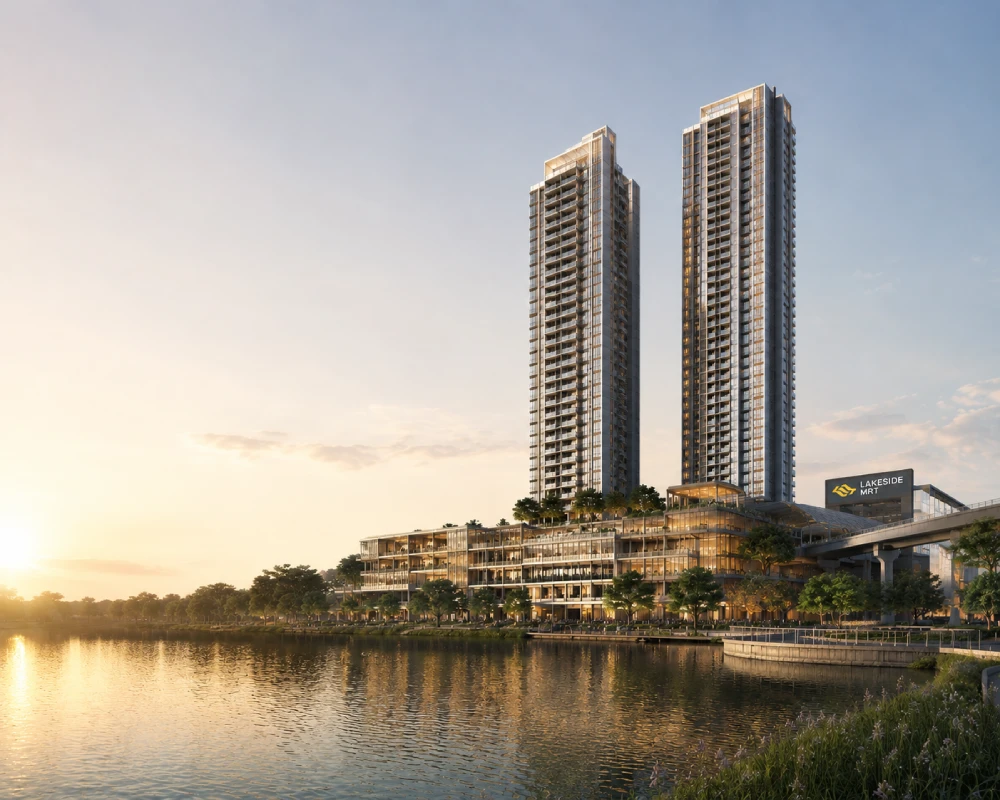
Buying a condo for long-term living is a major decision that requires looking beyond modern finishes and staging decor. By focusing on a stable location, versatile floor plans, a financially secure homeowners association, and practical building amenities, you can secure a home that adapts to your future. Properties like the Thomson Reserve illustrate how high-quality construction and professional management combine to create a lasting sanctuary. Taking the time to research these crucial factors now protects your financial investment and ensures your peace of mind. With the right preparation and a clear understanding of your long-term needs, you will find a condominium that provides comfort, security, and a sense of community for many years to come.
