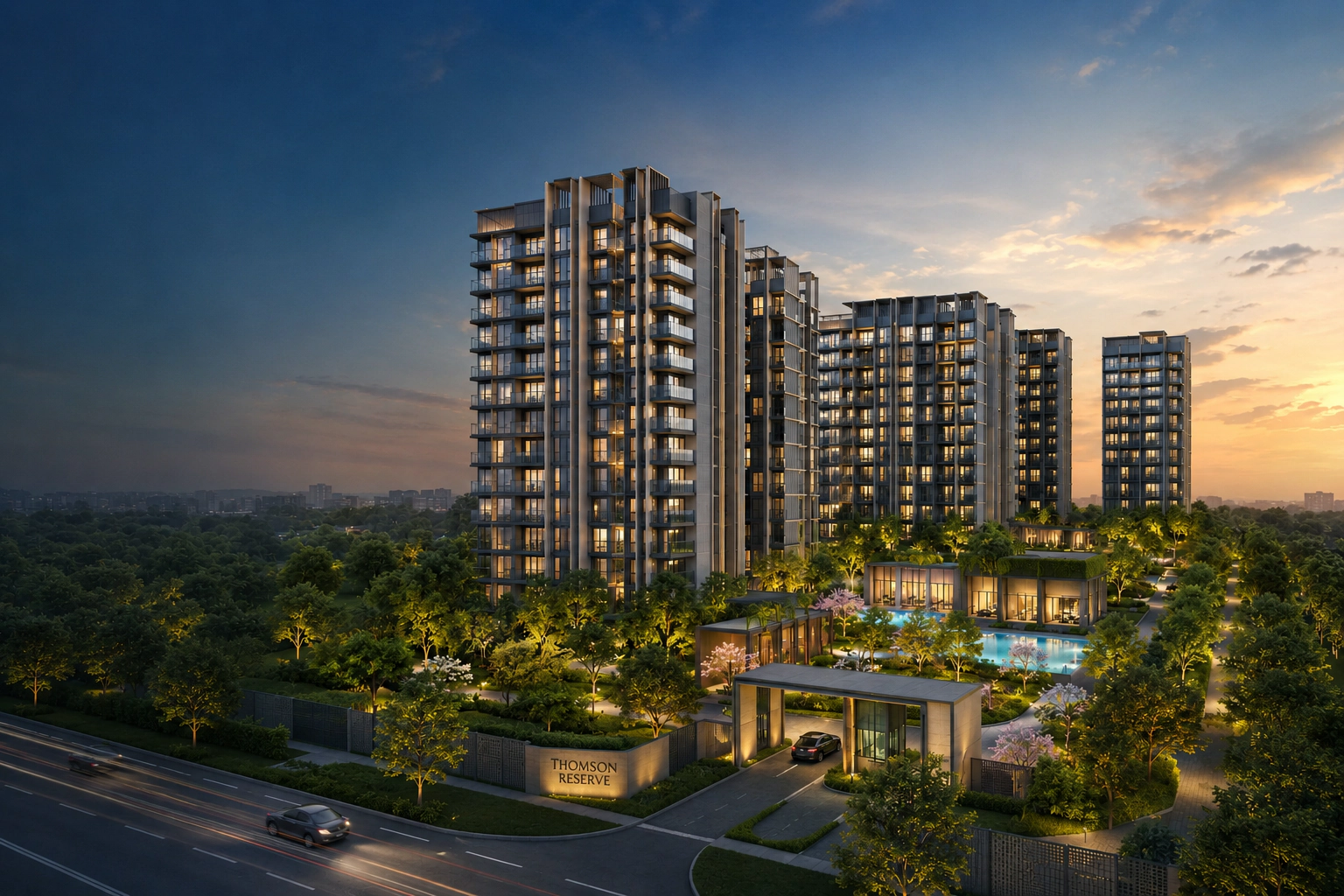
Finding a safe place to live is a top priority for any homebuyer or renter. When you evaluate modern residential developments like the Thomson Reserve, assessing the building’s safety measures should go far beyond a glance at the front gate. A secure condominium protects your physical safety, secures your personal property, and preserves your peace of mind. However, many buyers do not know how to evaluate these systems during a brief property viewing. Understanding what makes a security system effective helps you make an informed decision before signing a lease or purchase agreement. Let us look at the key elements you must check to ensure a condominium offers robust protection.
Physical Access Control at Entry Points
The first line of defense for any residential building is its perimeter. A secure property requires restricted entry points that prevent unauthorized individuals from wandering onto the premises. When visiting a property, observe how vehicles and pedestrians enter. Look for high-quality perimeter fencing, automated vehicle barrier gates, and electronic access control systems at all pedestrian doors.
Electronic Keycard and Biometric Systems
Modern developments rely on electronic access methods rather than traditional keys, which are easily duplicated. Check if the building uses RFID keycards, key fobs, or biometric scanners for residents. These systems allow the management team to track who enters the building and instantly deactivate lost cards. If you review the floor plans and security features on the official Lucerne Grand website, you will see how premium properties integrate these access points seamlessly into their architectural design.
Perimeter Integrity
Walk around the outer boundary of the property. Ensure that fencing is tall, sturdy, and free of gaps. Look for well-lit pathways and motion-activated lighting around the perimeter. Dark corners and blind spots invite security breaches, so adequate lighting is non-negotiable. A truly secure building leaves no entry point unmonitored or easily accessible to outsiders.
Advanced Surveillance and Camera Placement
A robust security system relies heavily on continuous visual monitoring. High-definition closed-circuit television (CCTV) cameras must cover all public and shared spaces. During your tour of the property, look up and locate the cameras. They should be visible in high-traffic areas, including the lobby, elevators, hallways, parking garages, and recreational facilities.
Camera Quality and Coverage
Ask the leasing agent or property manager about the specifications of their surveillance system. Modern security requires high-resolution cameras with night-vision capabilities to capture clear footage in low-light conditions. It is not enough to have cameras; they must actively record and store footage for at least thirty days.
Active Monitoring vs. Passive Recording
Find out if the security team monitors the camera feeds in real-time or if they only review the footage after an incident occurs. Real-time monitoring allows guards to intercept suspicious behavior before it escalates. Premium residences, such as the Thomson Reserve, employ dedicated security personnel who watch live feeds around the clock, ensuring immediate response to any unusual activity on the premises. This proactive approach separates average security from exceptional protection.
Professional Security Staff and Guard Protocols
Technology is highly effective, but human oversight remains irreplaceable. Well-trained security guards provide a visible deterrent to criminals and offer immediate assistance during emergencies. When you arrive at the condominium, observe how the guards interact with visitors. A secure building requires every guest to sign in, verify their identity, and receive confirmation from the resident they are visiting.
Visitor Management Protocols
If guards allow people to walk past the front desk without asking questions, the security system has failed. Look for strict visitor registration protocols, including digital logs and temporary access passes. This disciplined approach ensures that only authorized guests gain entry to the residential floors.
Patrol Schedules and Emergency Training
Inquire about the guards’ patrol schedules. Security personnel should conduct regular, unpredictable patrols of the entire property, including the dark corners of the parking garage and the stairwells. Additionally, ask about their emergency response training. The guards must know how to handle medical emergencies, fire alarms, and physical breaches. If you examine the safety protocols detailed on the official Lucerne Grand website, you will find that top-tier properties prioritize rigorous guard training and clear emergency procedures to safeguard their residents.
Elevators and Internal Building Security
Security should not stop once you pass the main lobby. Internal building security is just as vital for preventing unauthorized access to individual floors. One of the best ways to ensure privacy and safety is through floor-restricted elevator access.
Floor-Specific Elevator Access
In a highly secure condominium, your keycard or biometric scan should only grant you access to the lobby, common amenity floors, and your specific residential floor. This setup prevents a visitor or an intruder from wandering freely through other residential hallways. If someone gains access to the building, they still cannot reach your front door without a valid credential.
Stairwell and Fire Exit Security
Inspect the stairwells and fire exits during your visit. These doors should remain locked from the outside to prevent people from entering the residential floors from the stairs, while remaining easily openable from the inside for emergency evacuation. A secure property balances life safety code compliance with theft prevention. Properties like the Thomson Reserve utilize electromagnetic locks on fire doors that integrate with the central alarm system, releasing automatically during an emergency while remaining locked during normal operations.
Smart Home Integration and Personal Unit Security
The final layer of security rests at the threshold of your individual unit. While the condominium association manages the building’s exterior, the unit’s entry door requires modern safety features. Look for properties that offer advanced smart home integrations as standard features rather than optional upgrades.
Digital Door Locks and Video Intercoms
Traditional deadbolts are vulnerable to lock picking and bumping. Modern condominiums feature digital smart locks that require PIN codes, fingerprints, or smartphone authentication. Additionally, a video intercom system allows you to see and speak with visitors at the main lobby or your front door before granting them access.
Community Safety Awareness
A secure building also relies on a well-connected community. Ask if the condominium uses a resident portal or app to share safety alerts, maintenance updates, and community news. When neighbors communicate effectively, they spot unusual activities quickly. Both modern safety guidelines and the resources found on the official Lucerne Grand website emphasize the value of community-wide communication platforms. These tools empower residents to report issues immediately, creating a collaborative environment where safety is a shared responsibility.
Conclusion
Evaluating the security of a condominium requires looking at multiple layers of protection, from the front gate to your front door. A secure home relies on a combination of robust physical barriers, modern surveillance cameras, and well-trained security personnel. When touring a potential property, do not hesitate to ask detailed questions about visitor protocols, access control systems, and emergency procedures. Taking the time to verify these security measures ensures that your investment provides a safe, peaceful, and comfortable environment for you and your family. By focusing on these essential elements, you can confidently choose a home that offers genuine protection and peace of mind.
